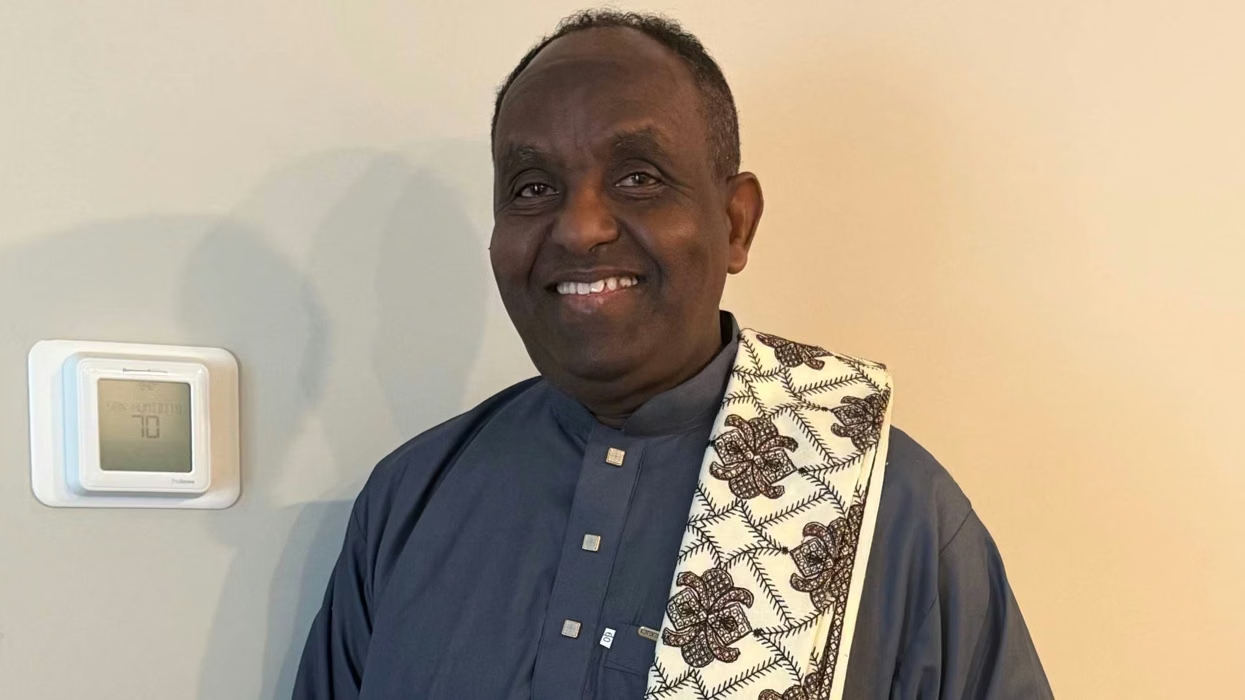
The recent attack on Mohamed Yusuf, a Somali American Uber driver in Hopkins, Minnesota, has shocked communities across the United States and sparked renewed discussion about driver safety, anti-Somali sentiment, and Islamophobia. The incident has drawn attention from community leaders, civil-rights advocates, elected officials, and ride-share drivers, many of whom view the attack as part of a broader climate of hostility facing minority communities. [mprnews.org], [sfgate.com]
According to authorities, the incident occurred during the early morning hours of November 14, 2026. Prosecutors allege that a passenger attacked Mohamed Yusuf, strangling him with a seat belt, taking control of the vehicle, and running him over before leaving him severely injured in a roadside ditch. Investigators later located Yusuf using location data and emergency search technology. He suffered life-threatening injuries and was hospitalized in critical condition. [mprnews.org], [sfgate.com], [kcra.com]
Authorities charged Samit Apurva Patel, 25, with attempted second-degree murder and carjacking. Prosecutors stated that although the circumstances were extremely serious, they did not currently possess sufficient evidence to establish beyond a reasonable doubt that bias was the motive for the attack. [mprnews.org], [kcra.com]
The case attracted significant public attention because court filings reportedly indicate that the suspect allegedly told the driver he did not like the name “Mohamed” before the attack occurred. Family members, advocacy groups, and community leaders have cited this allegation as reason to investigate whether anti-Somali or anti-Muslim bias influenced the crime. However, those allegations have not been proven in court and remain part of an ongoing investigation. [kcra.com], [sacbee.com], [hiiraan.com]
Community support for Mohamed Yusuf has been substantial. Residents, local officials, and advocacy organizations organized vigils and public gatherings in solidarity with Yusuf and his family. Community members emphasized that the attack affected not only one individual but also a broader sense of security among Somali Minnesotans. [mprnews.org]
Uber issued a public statement expressing concern for Yusuf and his family, confirming that the accused passenger was permanently removed from the platform and that the company was cooperating with law enforcement. [sfgate.com], [hiiraan.com]
The attack has also heightened safety concerns among ride-share drivers throughout Minnesota. Some drivers have reported reducing overnight driving hours, installing additional security cameras, or reconsidering their participation in ride-share work altogether. [sfgate.com], [kcra.com]
For many Somali Americans, the attack on Mohamed Yusuf extends beyond the criminal allegations contained in court documents. Community leaders have argued that the incident occurred within a broader environment marked by increasing anti-Somali and anti-Muslim rhetoric. [mprnews.org], [sacbee.com], [hiiraan.com]
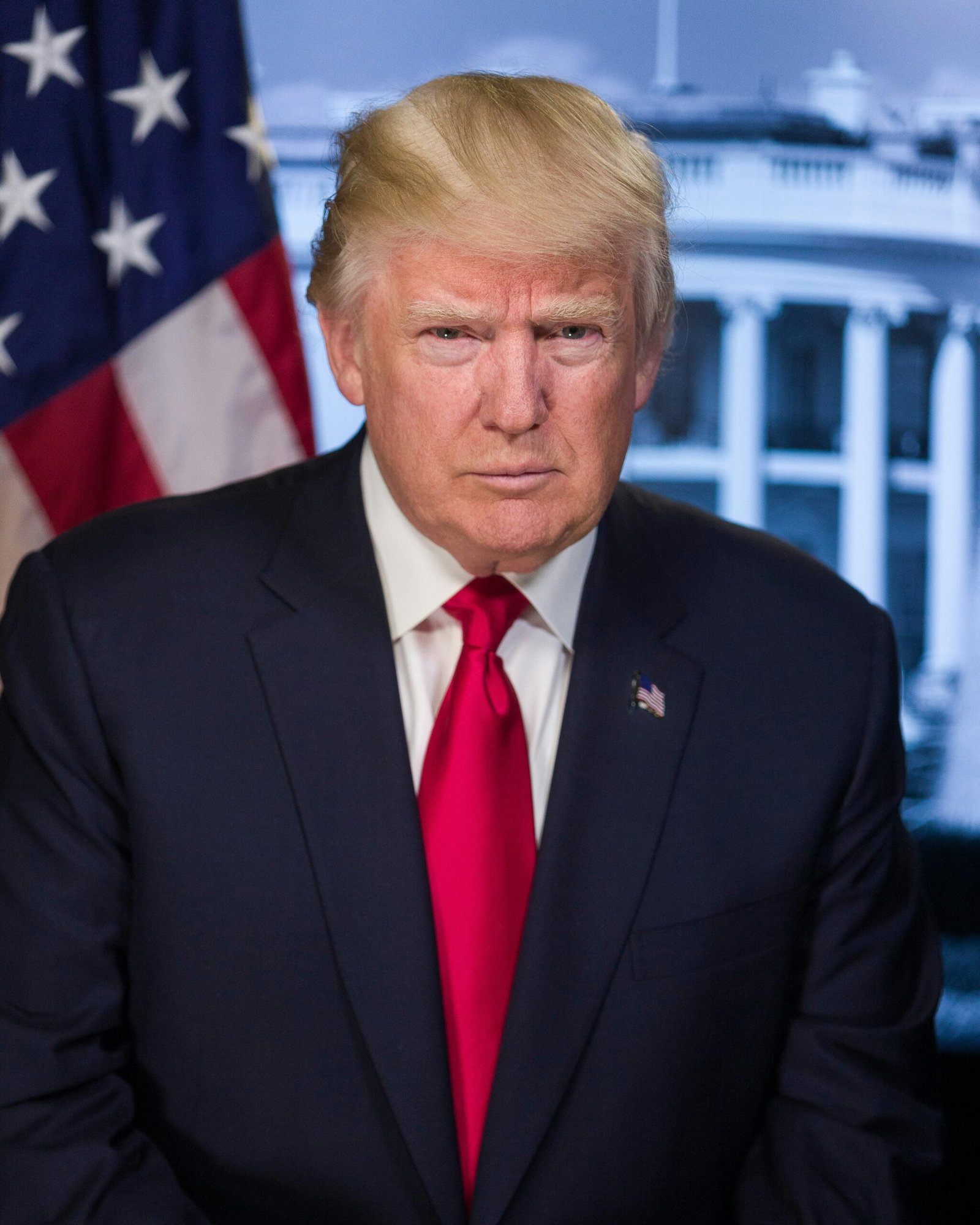
Following the attack, elected officials and community advocates expressed concern that years of negative political rhetoric directed at Somali immigrants have contributed to growing fear within the community. Reuters reported that advocates specifically pointed to statements by US President Donald Trump and political allies regarding Somali immigrants in Minnesota and argued that such rhetoric has contributed to feelings of vulnerability among Somali Americans. [sacbee.com]
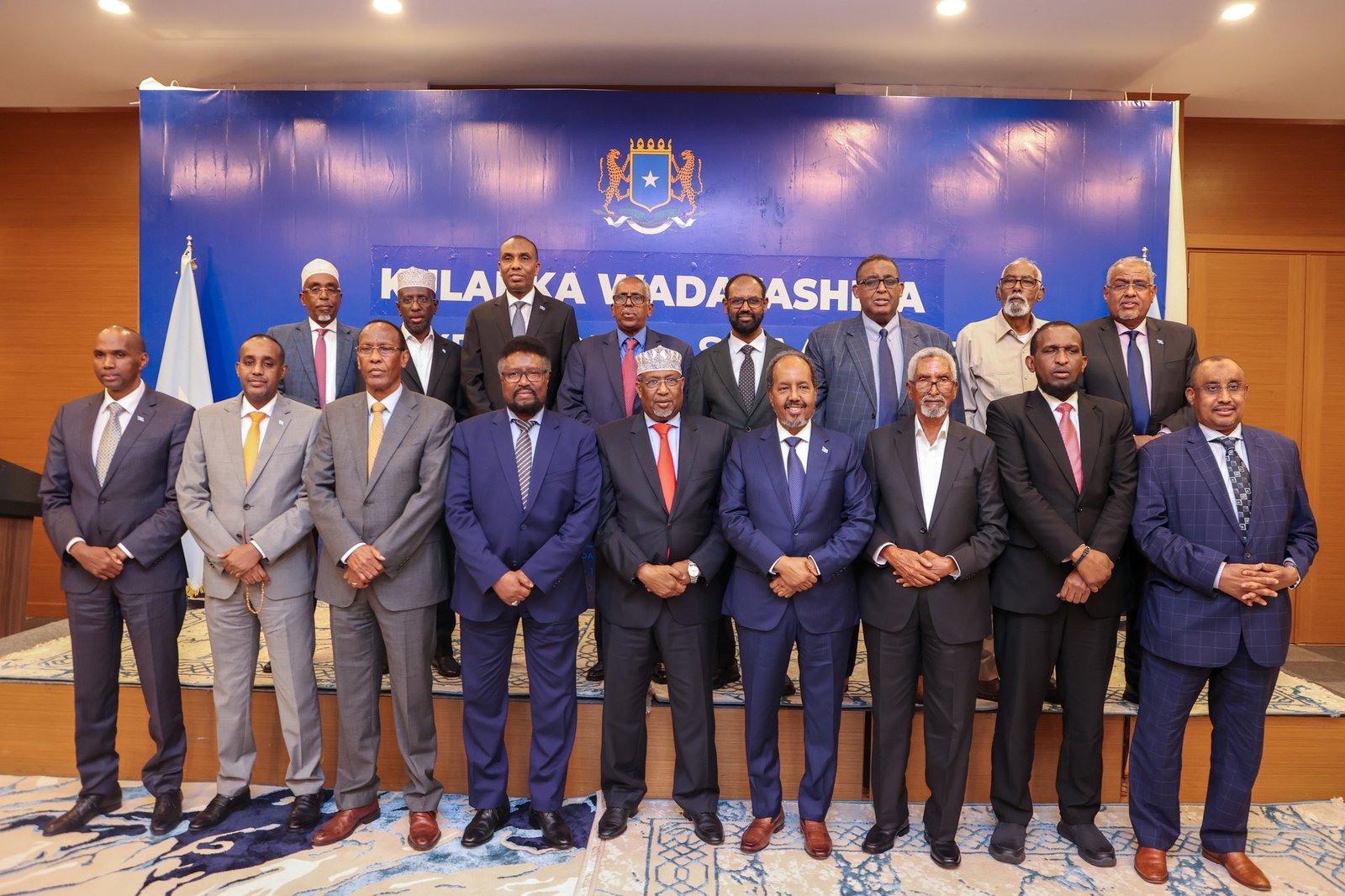
At the Hopkins vigil, Patrick Hanlon, Mayor of Hopkins, spoke about broader attacks and rhetoric targeting Somali Americans, while Nadia Mohamed, Mayor of St. Louis Park, said many Somali Minnesotans viewed the victim as someone who could have been a family member or neighbor. [mprnews.org]
Civil-rights organizations, including community advocates quoted in multiple reports, have expressed concern that public discourse portraying Somali immigrants as threats can contribute to prejudice, exclusion, and fear, even when there is no direct evidence connecting specific political statements to specific acts of violence. [sfgate.com], [sacbee.com], [hiiraan.com]
From the perspective of many Somali Americans, the attack has become a symbol of broader concerns about belonging, dignity, and safety in American society. Community members have argued that rising Islamophobia and anti-immigrant sentiment create an environment in which Somali Muslims feel increasingly targeted. These concerns have intensified following years of political debates surrounding immigration and Somali communities in Minnesota. [mprnews.org], [sfgate.com], [sacbee.com]
At the same time, it is important to distinguish between social and political concerns and legal conclusions. While many community members believe anti-Somali or anti-Muslim sentiment may have influenced the broader environment surrounding the attack, authorities have not established bias as the legal motive in this case. [mprnews.org], [kcra.com]
Conclusion
The available evidence confirms that Mohamed Yusuf was the victim of a brutal and life-threatening attack while working as an Uber driver. The criminal charges against the suspect are a matter of public record. What remains unresolved is whether bias or hate-based motivations played a role. As the legal process continues, the case has already become a powerful moment of reflection for Minnesota’s Somali community, raising important questions about public rhetoric, community safety, and the experiences of Muslims and immigrants in the United States. [mprnews.org], [sfgate.com], [kcra.com]