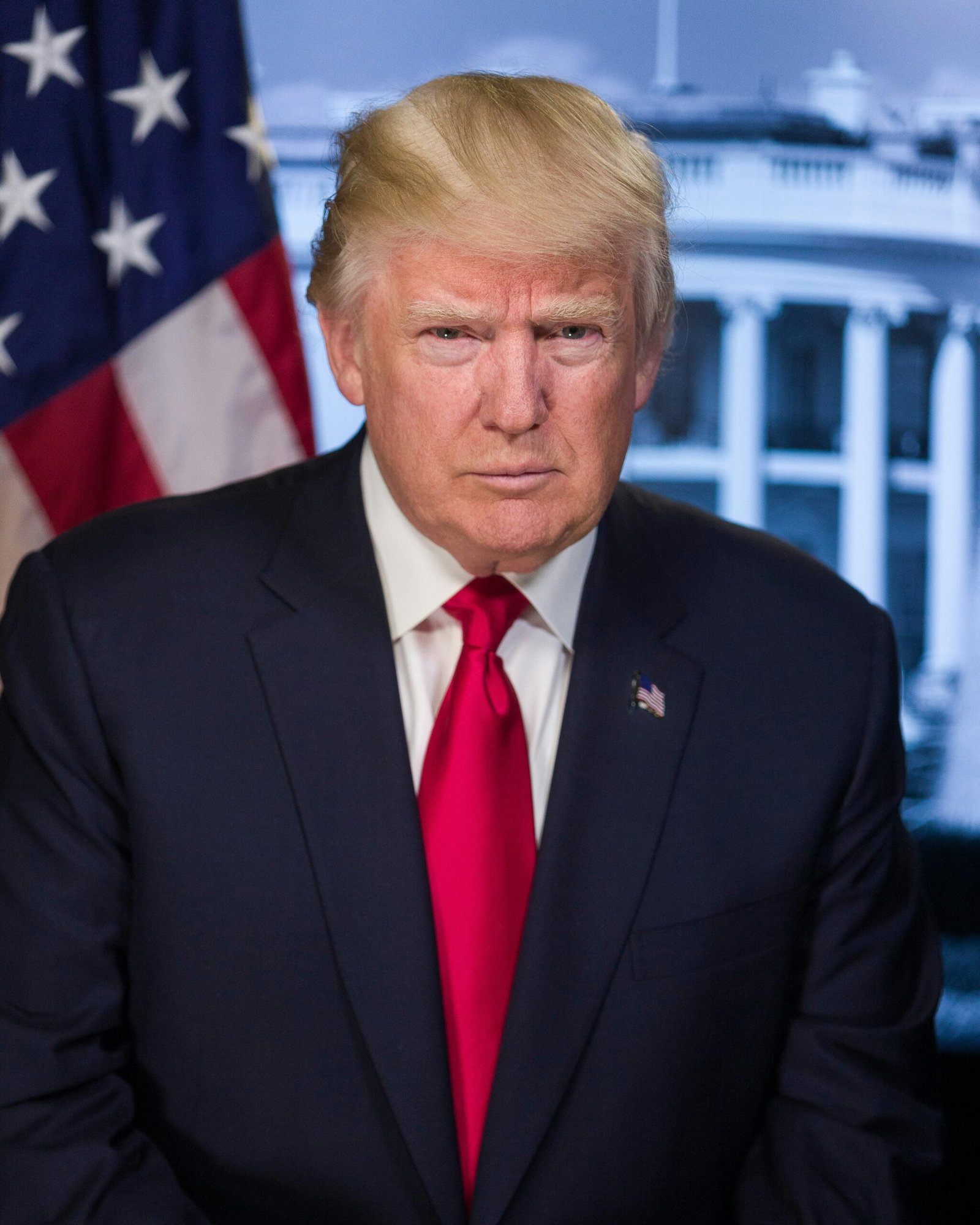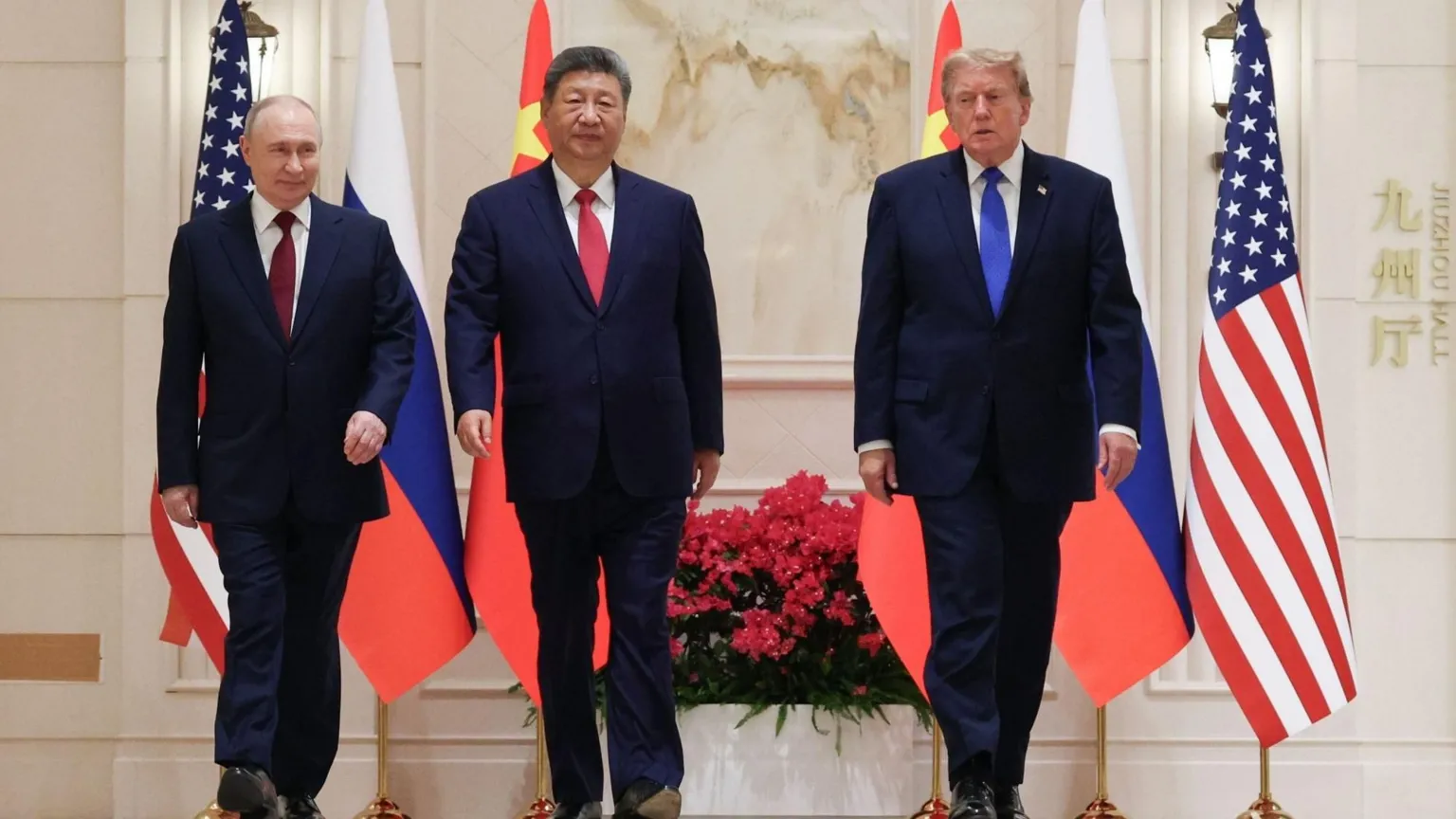
Shenzhen, China, November 19, 2026 – In a historic first, Chinese President Xi Jinping, U.S. President Donald Trump, and Russian President Vladimir Putin met for a trilateral summit on the sidelines of the APEC conference in Shenzhen. The gathering brought together the leaders of the world’s three largest nuclear powers amid ongoing conflicts in Ukraine and Iran, rising geopolitical tensions, and concerns about strategic stability. [cfr.org], [apnews.com]
Atmosphere of the Meeting
The summit was widely described as positive, constructive, and cordial. Chinese, Russian, and U.S. officials emphasized dialogue and cooperation despite significant differences on major international issues. Xi Jinping described the discussions as fruitful and stressed that cooperation among major powers is essential for global stability, while Trump called the meeting a historic opportunity to tackle some of the world’s most difficult challenges. Putin characterized the talks as open, candid, and useful. [cfr.org], [pbs.org], [cbsnews.com]
The symbolism of the meeting was significant. Simply bringing together the leaders of the United States, China, and Russia was viewed as an achievement in itself given the current state of international relations. Analysts noted that the summit showcased the diplomatic influence of all three powers, particularly China as host. [apnews.com], [pbs.org]
Agreed Points
The leaders issued a four-point peace declaration that reflected areas of broad consensus rather than detailed policy commitments. The declaration included:
- Reaffirmation that nuclear war must never be fought and can never be won.
- Support for reforms to the United Nations to improve its effectiveness in addressing global challenges.
- Commitment to maintaining and increasing global oil and energy supplies to support economic stability.
- Opposition to what was described as abuse of jurisdiction by the International Criminal Court (ICC) and support for the principle of state sovereignty and immunity of state officials. [abcnews.com], [cbsnews.com], [apnews.com]
The three leaders also agreed that major powers should respect each other’s security concerns and pursue negotiation and dialogue rather than confrontation whenever possible. [pbs.org]
The US Perspective: Expectations vs. Results
For the United States, the summit carried ambitious expectations. The Trump administration had signaled that the meeting would focus on three major objectives:
- Reducing nuclear risks and initiating new arms-control discussions.
- Advancing diplomatic efforts regarding the wars in Ukraine and Iran.
- Demonstrating U.S. leadership through direct engagement with both China and Russia. [cfr.org], [apnews.com]
What Washington Achieved
From a U.S. perspective, the summit succeeded diplomatically in several respects.
First, it established direct communication among the leaders of the world’s largest nuclear powers and reaffirmed their shared commitment to avoiding nuclear conflict. Second, it demonstrated that despite strategic rivalry, Washington, Beijing, and Moscow remain capable of engaging in dialogue and issuing a joint declaration. Finally, the meeting helped maintain channels for future negotiations on global security issues. [cfr.org], [abcnews.com], [cbsnews.com]
What Washington Did Not Achieve
However, many of the administration’s most important objectives remained unmet.
No new nuclear-arms-control framework was announced, no negotiations on arsenal reductions were launched, and no concrete commitments emerged beyond general statements about reducing nuclear risks. Analysts noted that China remains reluctant to enter agreements that would place limits comparable to those affecting the much larger U.S. and Russian nuclear stockpiles. [pbs.org], [abcnews.com]
Most notably, the summit produced no major diplomatic breakthrough on either Ukraine or Iran, despite those conflicts being central global security concerns. [apnews.com], [abcnews.com]
Ukraine: No Breakthrough
Although Ukraine was expected to be a key topic, the summit yielded no peace initiative, ceasefire proposal, or negotiated framework. The final peace declaration did not mention the war in Ukraine, and no concrete agreement was announced regarding an end to the conflict. Most analysts concluded that while the leaders may have discussed the issue privately, the summit did not produce any tangible progress toward peace. [abcnews.com], [apnews.com], [pbs.org]
For Washington, this represented one of the summit’s most significant shortcomings, since expectations had been raised that direct discussions with Moscow and Beijing might generate movement on the conflict. [apnews.com], [pbs.org]
Iran: No Breakthrough
Similarly, there was no meaningful breakthrough regarding the conflict involving Iran. While reports indicated that Iran was among the issues discussed, the joint declaration contained no references to the conflict and included no diplomatic roadmap, ceasefire proposal, or negotiated framework. [abcnews.com], [apnews.com]
As with Ukraine, observers concluded that the leaders chose to avoid public disagreements and instead focused on broader areas of consensus. [apnews.com], [pbs.org]
Winners and Losers
Many analysts argued that Xi Jinping emerged as the principal diplomatic beneficiary because China successfully hosted an unprecedented summit and reinforced its image as a major global power capable of convening rivals. [pbs.org], [apnews.com]
Others suggested that Vladimir Putin benefited significantly by appearing alongside the leaders of the United States and China, helping reduce Russia’s diplomatic isolation and reaffirming Moscow’s importance in global affairs. [rferl.org]
For the United States, the outcome was mixed. The summit succeeded as a diplomatic engagement and confidence-building exercise but fell short of delivering the substantive policy achievements that Washington had hoped to secure. [pbs.org], [rferl.org]
Conclusion
The Shenzhen trilateral summit was historically significant and diplomatically important, but its practical achievements were limited. The three powers reaffirmed commitments to strategic stability, nuclear risk reduction, UN reform, and dialogue among major states. The atmosphere was notably positive and cooperative, demonstrating that communication remains possible despite growing geopolitical competition. [cbsnews.com], [pbs.org]
However, on the issues that attracted the greatest global attention, the wars in Ukraine and Iran, the summit produced no concrete breakthroughs, no ceasefire initiatives, and no detailed peace frameworks. From the U.S. perspective, the meeting was therefore a diplomatic success in terms of engagement and symbolism, but a policy disappointment in terms of tangible results. [abcnews.com], [pbs.org], [pbs.org]